 Lejac Residential School Site Search
In response to the painful history of the Lejac Indian Residential School (LIRS), the Nadleh Whut’en Chief and Council have launched a healing project led by the Lejac Indian Residential School Guiding Team. This team, which includes survivors and intergenerational survivors, is dedicated to planning the future of the site, focusing on healing and reconciliation.
Through the leadership of Project Manager Terry Luggi, the Guiding Team has engaged with survivors, planned community updates, and gathered testimonies about the missing children who attended LIRS. An essential part of this project is the search for those children who never came home from Lejac. This is known as Nez Keh Hubuk’uznootah, which means “Let’s Look for our Children” in the Nadleh and Stella dialect of Dakelh.
This initiative honours our ancestors and aims to bring healing not only to the Nadleh Whut’en and Stellat’en communities but also to others affected by Lejac. This process is a vital part of the responsibility to uncover the truth, heal from the past, and respect those who endured trauma. The search demonstrates the community’s duty to its people, past and present, and contributes to ongoing reconciliation efforts.
Guiding Team
The process is led by the Lejac Indian Residential School Guiding Team, which includes both survivors and intergenerational survivors of Lejac.
This team ensures that all work is carried out with respect and in alignment with the wishes of survivors.
Terry Luggi, Nadleh’s Indian Residential School Project Manager, coordinates the Guiding Team and manages the Nez keh hubuk’uznootah Project. She has actively been meeting with LIRS survivors, providing community updates on the project’s progress, and reaching out to witnesses who may provide oral testimonies about the children who never returned home.
Nez Keh Hubuk’uznootah “Let’s Look for our Children”
Nadleh Whut’en is deeply committed to upholding the values and responsibility for this important process of searching. We seek to honour the children and their families who attended and were impacted by the Lejac Indian Residential School. Our efforts focus on identifying the children known to be missing, as well as locating potential burial sites of children not accounted for. To accomplish this, we have initiated the Nez Keh Hubuk’uznootah Project, meaning “let’s look for our children.” This project includes conducting surveys of the former Lejac Indian Residential School grounds for geophysical indications of unmarked burials.
Geophysical Surveys at Lejac
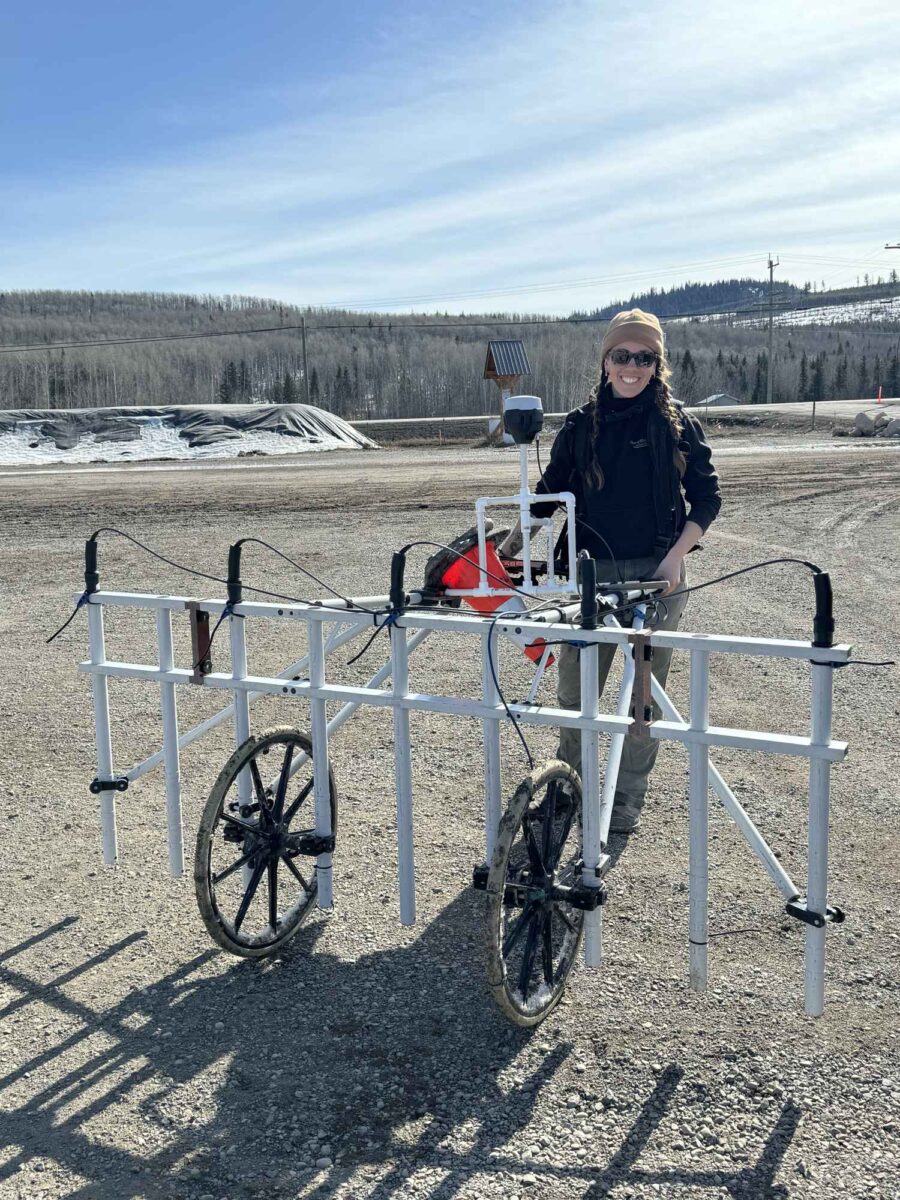
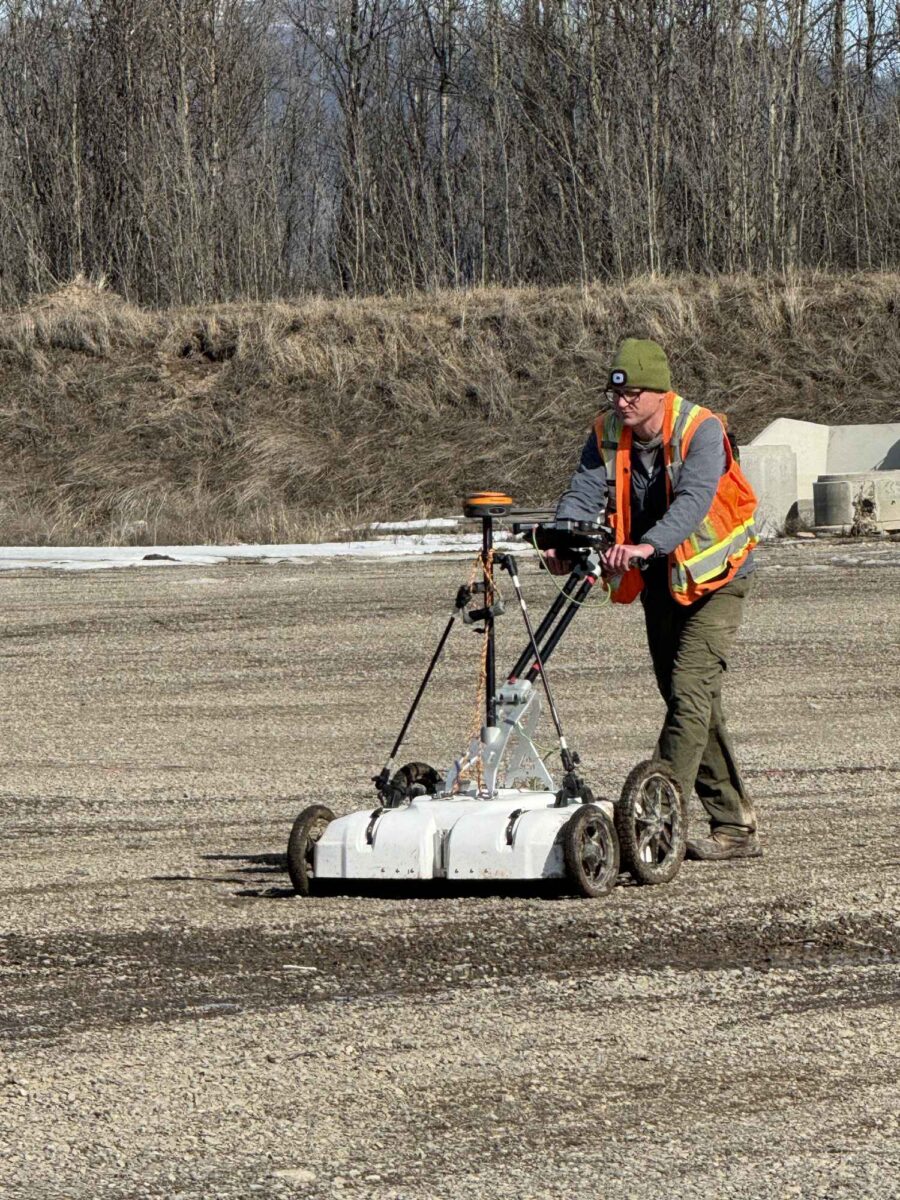
The Guiding Team has commissioned Geoscan to conduct initial geophysical surveys in areas identified by survivors. Using ground-penetrating radar (GPR) and magnetometry, the survey locates anomalies below the surface that may indicate the presence of unmarked graves.
- GPR uses radio frequency energy with a transmitter and receiver sending energy pulses through antennas. The energy pulses sent from the transmitter can detect changes beneath the ground surface and bounce back the signal to the receiver antenna. The changes that can be detected include soil conditions, the overall soil composition, soil compaction, and presence of rock or artifacts. When such changes are detected at regular intervals, it could indicate the presence of and/or characteristics of unmarked burials.
- GPR is not a bone detector. GPR is used to locate a variety of changes or readings beneath the surface.
- GPR is not sonar. GPR consists of radar signals and is systematically utilized on a grid pattern that is closely spaced.
- Magnetometry is a complementary method to GPR. Magnetometry is used to detect properties and changes of magnetic aspects within the soil.
- The first phase of surveys began in December 2023, with additional surveys conducted in the spring and fall of 2024.
- The geophysical experts we work with are currently reviewing and analyzing the data from previous surveys. We will continue to keep the community informed of any new findings or developments.
Potential Involvement of an Archaeological Team
As the search progresses, an archaeological team may be needed to conduct further investigations. Their expertise would allow for a detailed analysis of the identified anomalies, ensuring that the search process remains thorough, respectful, and guided by experts with high professional standards.